



By: Mack-
On: 04 Jun 2026


| Sub-Total : | $23.30 |
| Eco Tax (-2.00) : | $4.52 |
| VAT (20%) : | $5.66 |
| Total : | $33.48 |
By: Mack-
On: 04 Jun 2026
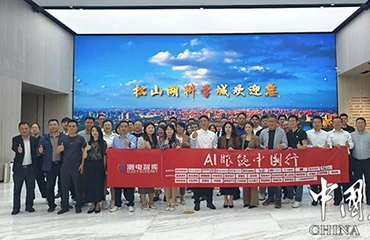
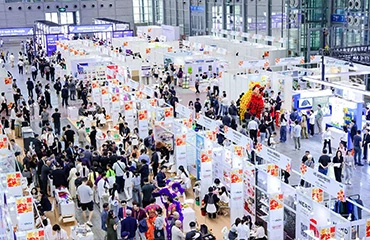
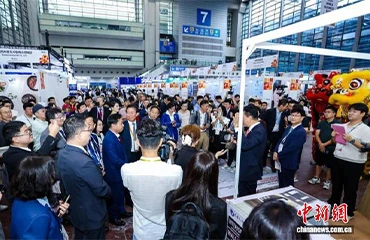
On May 29, 2026, the AR Optical Industry Chain Ecosystem Summit and the Launch Event for Kangtaida’s Fourth-Generation Full-Color Optical Engine and Full-Stack Optical Equipment were grandly held in Bao’an District, Shenzhen. The event was jointly organized by Wellsenn and Kangtaida Technology, with co-organization by the Shenzhen Augmented Reality Technology Application Association and ZhuiJiao XR. Under the theme “Lighting the Future, Leading Mass Production with Intelligence,” the summit brought together top global leaders in the AR optics field. With over 300 attendees on-site, it emerged as one of the most prestigious, comprehensive, and well-attended industry events in China’s AR optics supply chain this year.
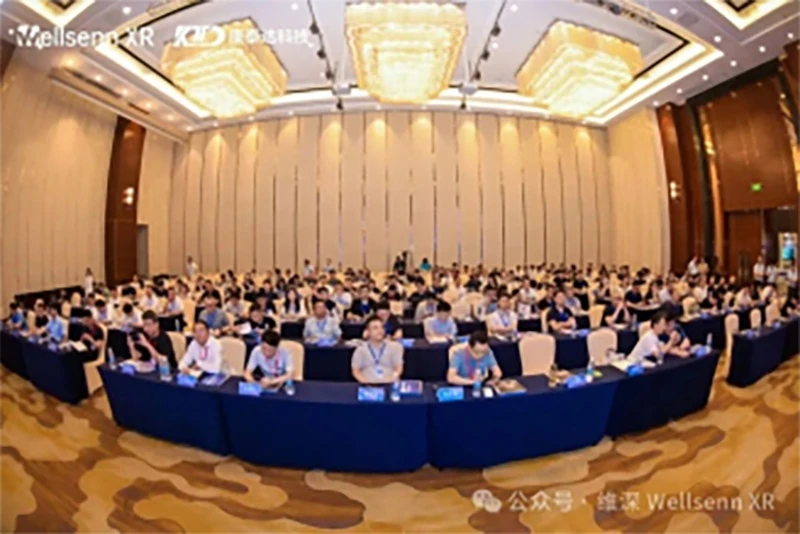
This event attracted significant attention and active participation from leading global companies in the AR industry, with top domestic and international AR waveguide manufacturers, AI smart glasses brands, Micro LED/Micro OLED micro-display companies, and core optical component suppliers all in attendance; At the same time, smart glasses ODM/OEM manufacturers, supply chain companies, investment firms, and industry media from around the world gathered to discuss breakthroughs in AR optical technology, mass production implementation, ecosystem collaboration, and future trends, building consensus and pooling resources to drive high-quality industry development.
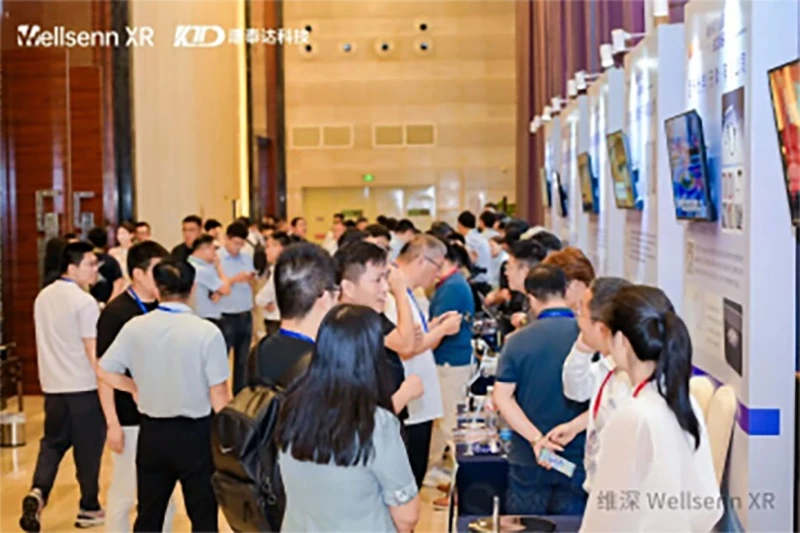
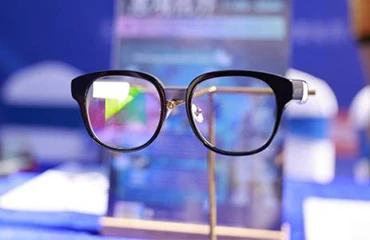
A dedicated AI smart glasses experience zone was set up at the summit, showcasing the world’s most representative cutting-edge products, including Meta Display, Even G2, Thunderbird X3 Pro, Huawei AI Glasses, and Qianwen G1/S1, among other flagship AI camera glasses and AI+AR glasses. These products comprehensively showcased the latest achievements in AI glasses regarding lightweight design, full-color displays, interactive experiences, and industrial design, attracting attendees to stop and try them out while engaging in in-depth discussions.
I. Opening Remarks: AI Glasses Usher in a New Paradigm; End-to-End Collaboration Is Key
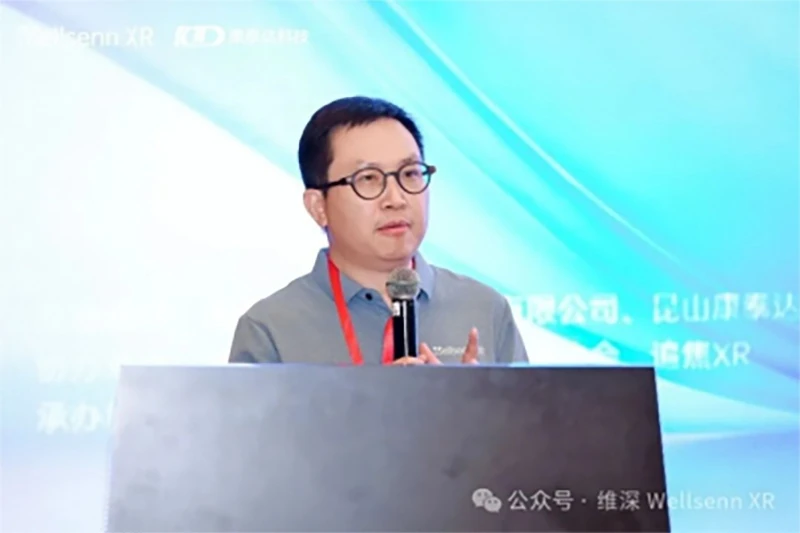
The summit opened with a speech by He Wancheng, founder of Weishen Information. He noted that AI smart glasses are currently ushering in a new paradigm for smart hardware. With breakthroughs accelerating in core technologies such as waveguides and MicroLED, AR glasses are transitioning from the early adopter phase to the eve of rapid mass production. China is now facing a historic opportunity to define the next generation of general-purpose computing devices. AR optics are the core components of the industry chain, and full-chain collaborative innovation must be achieved. Weishen Information is committed to collaborating with Kangtaida and ecosystem partners to build an open ecosystem, integrating the entire chain from R&D, manufacturing, and testing to finished products, and jointly promoting high-quality development of the industry.
II. Industry Insights: AR Market on the Verge of Explosive Growth, with Full-Color Mass Production as the Biggest Bottleneck
Industry insights released at the summit indicate that the global AI smart glasses market will experience rapid growth in 2026, with shipments expected to reach 15–16 million units and the market size nearly doubling year-over-year. As a key platform for unlocking the potential of large language models, AI glasses with displays are evolving from functional products into ecosystem platforms. User survey data indicates that the core user base for display-equipped smart glasses consists primarily of business professionals born in the 1980s and 1990s, with men accounting for approximately 85%. Core demands have shifted from “fun” to “practical,” with photography, real-time translation, and AI navigation becoming high-frequency use cases. Users generally expect full-color displays, wide fields of view (FOV), no grating interference, lightweight designs, and long battery life, and hope that the retail price will drop below 2,000 yuan to achieve mass adoption.
Behind this boom, the industry still faces multiple bottlenecks: complex manufacturing processes, scarce equipment, low yield rates, user experience pain points, and high costs. The industry consensus is clear: whoever can overcome the challenge of mass-producing full-color optical engines will seize the initiative in the next generation of smart devices.
III. Major Announcement: Kangtida’s Fourth-Generation Full-Stack Equipment Redefines AR Manufacturing Standards
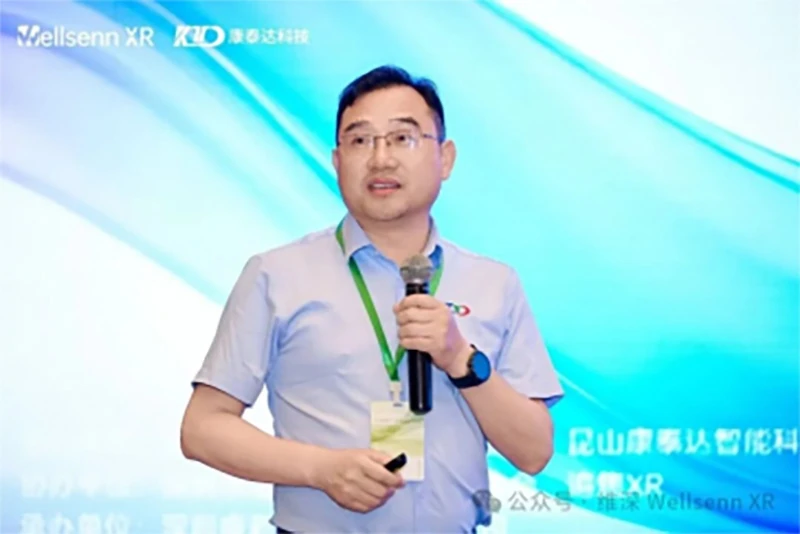
Xiao Chuanhao, General Manager of Kangtida Technology, took the stage to unveil the world’s first fourth-generation full-color optical engine and full-stack optical equipment. He noted that Kangtida has been deeply engaged in precision optical equipment for over a decade, transitioning from smartphone camera module inspection to AR/VR smart equipment through multiple generations of technological iteration. This launch aims to break new ground for the industry with cutting-edge equipment and ensure mass production with full-stack solutions.
This release features three core pieces of equipment:
1. Full-color light engine precision production line: Overcomes key bottlenecks in RGB beam combining and coupling;
2. Full-color LED low-voltage testing equipment: Enables precise image quality calibration and defect detection;
3. MicroLED automatic calibration equipment: Dual-station air-bearing platform supporting a wide field of view (FOV) ranging from 30° to 70°.
Key Parameters and Mass Production Results:
• Modular Integration: The production line was streamlined from 5 units to 4, reducing floor space by 22% and enabling 30-minute rapid setup changes;
• Ultra-High Precision: Repeatability <0.5 μm, 72-hour drift <1 μm, with precision on par with international leaders;
• Doubled Efficiency: 60 seconds per wafer, 100% increase in UPH, fully automated unmanned operation;
• Unparalleled Yield: 99% first-pass yield after excluding material factors, with AI vision automatically rejecting defective products;
• Cost Reduction and Efficiency Improvement: 28% reduction in full-color optical engine costs, 50% shorter delivery cycles, supporting mass production at the million-unit scale.
Xiao Chuanhao stated that the fourth-generation equipment represents an “iPhone-style” iteration, marking the entry of full-color optical engine manufacturing into a mature and stable phase and truly bridging the “last mile” from prototype to commercial product. Kangtaida also announced the opening of its optical laboratory to provide free prototyping services, with plans to establish a fully automated, free prototyping line within two years. This initiative aims to lower industry entry barriers and empower small and medium-sized R&D enterprises to rapidly bring their products to market.
IV. Industry Chain Synergy: Simultaneous Breakthroughs in Materials, Waveguides, and Testing to Build a Solid Industrial Foundation
During the summit, leading companies such as Guocar Semiconductor, Nika Optics, Shicai Optoelectronics, Xiao Xiang Optoelectronics, and Shenjing Intelligence shared cutting-edge technologies, fostering a collaborative innovation ecosystem that spans the entire industry chain—from equipment and materials to devices, testing, modules, and finished products.
1. Silicon Carbide Materials: Triple Advantages in Electricity, Optics, and Heat Dissipation, Eliminating Rainbow Fringing
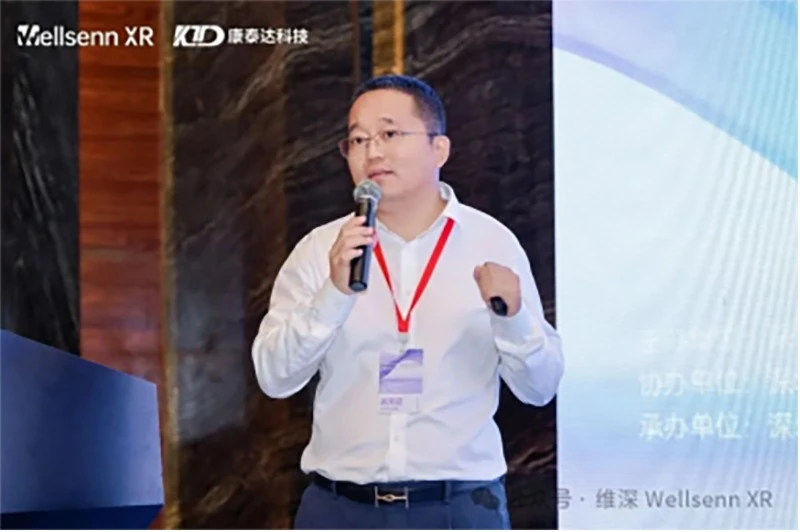
Yao Yongxing, Chairman of Guocar Semiconductor, explained that silicon carbide possesses characteristics such as high refractive index, high thermal conductivity, high hardness, and low density. When used in AR light waveguides, it enables a wide field of view (FOV), full-color display on a single wafer, and eliminates rainbow fringing; its thermal conductivity is nearly 3.5 times that of pure copper, perfectly solving the heat dissipation challenges of optical mechanisms. The company plans to invest 1.1 billion yuan in a project to build advanced packaging substrates for 12-inch silicon carbide optical waveguides. Annual production is expected to reach 50,000 wafers by the end of 2026 and increase to 200,000 wafers within three years, providing critical material support for AR glasses.
2. Volumetric Holographic Waveguides: Mass Production Breakthrough Paves the Way for Full-Color Applications
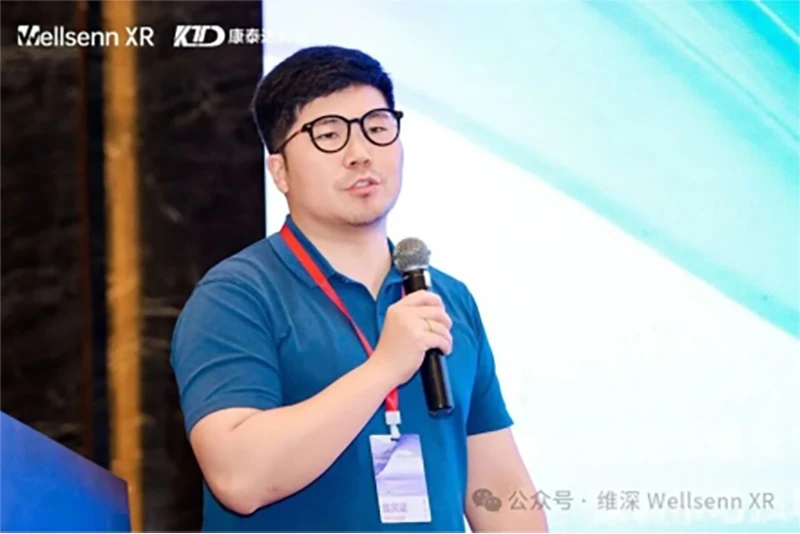
Du Youcheng, founder of Nika Optics, shared that the company’s volumetric holographic waveguides are based on a proprietary HPDLC material system. The company has achieved breakthroughs in three core technologies—base materials, optical design, and lithography equipment—and has implemented mass production using semiconductor lithography processes. The company has established a production line capable of manufacturing millions of units, with a single green light efficiency reaching 1,400 lumens per watt. Full-color products have entered the small-scale mass production phase, and the company plans to achieve an annual production capacity of 5 million units by 2027, providing cost-effective, high-quality optical solutions for AR glasses.
3. Full-Stack Inspection Solutions: End-to-End Quality Control from Wafers to Finished Products
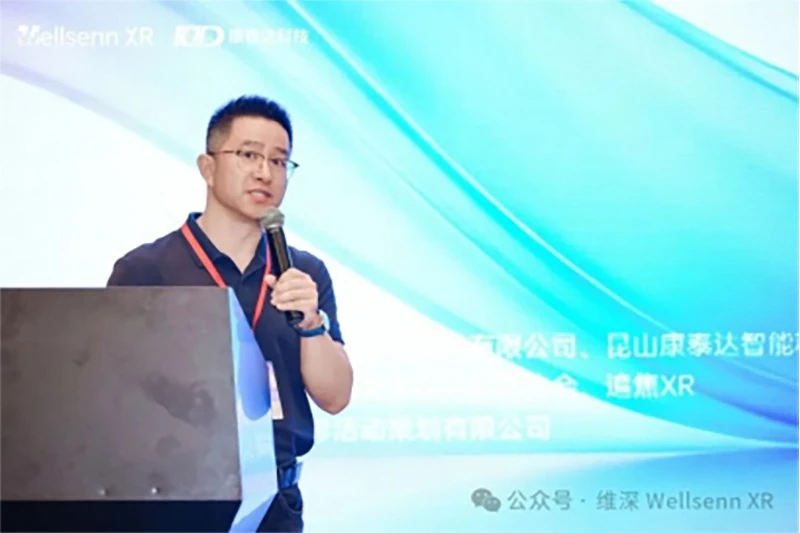
Shen Huan, General Manager of Shicai Optoelectronics, shared insights and introduced a full-stack inspection solution covering wafers, modules, optical engines, waveguides, and finished products. This solution encompasses critical stages such as IVL measurement, AOI pixel inspection, Demura correction, and FOV testing. By using a human-eye-simulating lens to replicate the pupil, it enables end-to-end quality control, providing quality assurance for the mass production of AR optical display modules.
V. Overall Device Design: Shifting from “Specs-First” to “Experience-First”—Building the Ultimate Experience Across Eight Dimensions
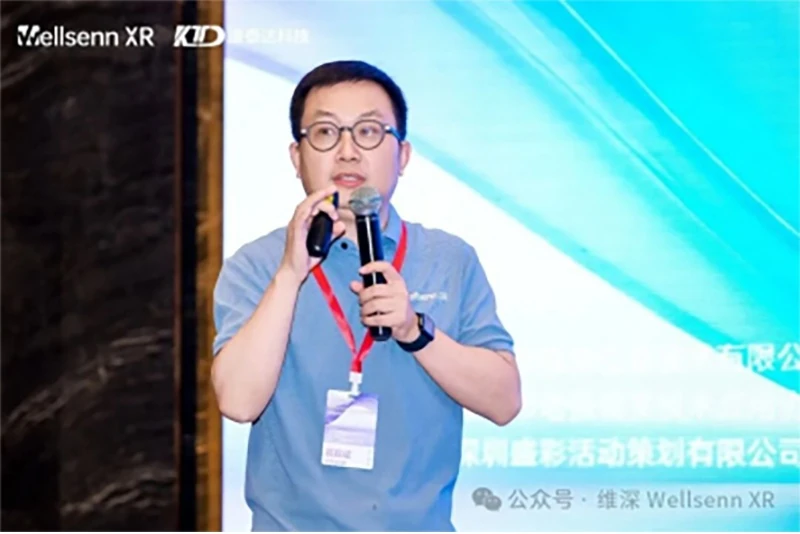
Yang Yongchang, General Manager of DeepVision Intelligence, delivered a keynote speech on the overall design and user experience of AI glasses. He argued that AI glasses design should shift from a “specs-first” approach to an “experience-first” one, building the ultimate experience around eight key dimensions: aesthetic appeal, wearing comfort, visual comfort, natural interaction, social friendliness, application innovation, freedom from battery anxiety, and quality and safety. The balance between weight, performance, and battery life is fundamentally about user experience. Pursuing the extreme in any single parameter is not advisable; only by ensuring users “enjoy wearing them, see clearly, and use them for extended periods” can the mass market truly be tapped.

VI. User Research and Industry Overview: Analyzing Needs and Charting the Industry’s Course
To conclude the summit, He Wancheng, founder of Weishen Information, took the stage to deliver a presentation titled “Analysis of User Needs and Experiences with AI Glasses.” Drawing on data from 200 real-world user surveys, he provided a comprehensive review of the industry’s current state, user pain points, and future directions.
Key Findings:
User Profile: The primary users of display-equipped glasses are those born in the 1980s and 1990s, with men accounting for 85% of the user base;
Top Priorities: Photography, real-time translation, and AI navigation rank as the top three;
User Pain Points: Visibility of the reticle, light leakage, monochrome (green-only) display, short battery life, and high price;
User Expectations: Retina-level display, wide field of view (FOV), full-color display, lightweight design, and proactive AI services;
Industry Path: Current widespread adoption of monochrome displays → Near-term rollout of full-color displays → Mid-term experience optimization → Long-term ecosystem revolution.
He Wancheng concluded that AR glasses are at a critical turning point, transitioning from a novelty to a necessity. Display technology, mass production capabilities, and ecosystem synergy will determine the industry landscape. He recommended that the entire industry chain focus on three key directions—full-color displays, cost reduction, and experience upgrades—to collectively propel AI glasses into the era of mass consumer adoption.
VII. Industry Significance: Breaking Through Mass Production Barriers—China Leads the New Era of Full-Color AR
This summit and the launch of Kangtida’s new product mark a milestone for the AR industry:
Breaking the Mass Production Impasse: With a 99% first-pass yield rate, a 28% reduction in costs, and a 50% reduction in production cycles, we have completely resolved the challenges of large-scale production of full-color optical engines;
Strengthening Domestic Self-Reliance: Through in-house R&D and full control of the entire equipment stack, we have broken free from reliance on overseas equipment and secured core influence in optical manufacturing;
Accelerating Inclusive Adoption: By driving terminal prices down to the 2,000 yuan range, we are bringing full-color AR glasses into the mainstream consumer market;
Activating Ecosystem Synergy: By collaborating with material, waveguide, testing, and device manufacturers, we are building a complete, closed-loop industrial chain;
Unlocking AI Potential: Using full-color displays as an entry point to significantly enhance the frequency and experience of AI interactions, driving large language models from passive response to proactive service.
Xiao Chuanhao stated that Kangtida will take this summit as a new starting point to continuously iterate on optical equipment, deepen upstream and downstream cooperation, and open up technical and production capacity resources. By joining hands with global partners, the company aims to propel China into becoming the global hub for AR optical R&D and manufacturing, and together usher in a new era of full-color smart glasses.
Conclusion
From overcoming technical challenges to achieving mass production, and from individual breakthroughs to ecosystem synergy, the successful hosting of the AR Optical Industry Chain Ecosystem Summit and the highly anticipated launch of Kangtida’s fourth-generation full-color optical engine have injected strong momentum into the industry. As the trends toward full-color displays, large-scale production, and widespread accessibility accelerate, AR glasses will emerge as the next-generation mainstream smart device following the smartphone, reshaping human-machine interaction and illuminating a new future for digital living.
Source: Shenzhen Association for the Application of Augmented Reality Technology
Please log in to your member account first. *

0 Comments