
By: SevenWood-
On: 08 May 2026



| Sub-Total : | $23.30 |
| Eco Tax (-2.00) : | $4.52 |
| VAT (20%) : | $5.66 |
| Total : | $33.48 |
By: SevenWood-
On: 08 May 2026
That first scratch broke my heart for a week
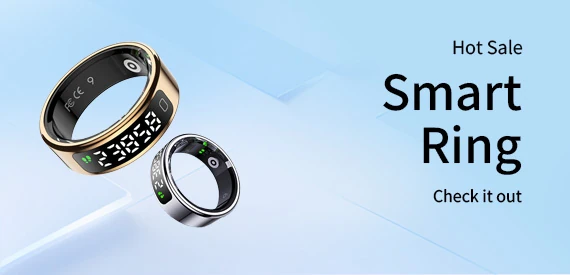
Three years ago, I bought my first titanium smart ring for $299. The day I received it, I slipped it on as carefully as if it were a piece of jewelry, afraid it might get bumped or scratched.
But on the third day, as I reached into my pocket for my keys, the ring bumped into my keychain. I flipped the ring over to take a look—a thin silver scratch stood out starkly against the originally matte gray surface.
I was so heartbroken at the time that I almost wanted to return it. After doing some research, I found that while titanium alloy is hard (Mohs hardness 6, higher than stainless steel’s 5.5), once the surface oxide layer is scraped off, the underlying metal’s natural color is exposed, creating a “contrast scratch.” According to data from materials science journals, the surface hardness of titanium alloy is approximately 300–400 HV, while that of a key (stainless steel) is about 200–250 HV. Theoretically, titanium alloy is harder, but the sharp edges of the key were enough to damage the oxide layer.
Three years later, the scratches became a “unique signature”
I resisted the urge to replace the ring and continued wearing it. Three years have passed, and the ring now bears dozens of fine scratches and a few dents from bumps. But strangely, not only do I no longer mind them, I actually find them quite “charming.”
The scratches transformed the ring’s surface from a “brand-new industrial product” into an “object with a story.”
Titanium alloy doesn’t rust, and the scratches don’t spread—they just fade in color.
I can still recall the origin of some of the scratches: moving furniture, opening a beer bottle, or falling onto a concrete floor.
I shared this experience on the Venus Smart Shop user community, and to my surprise, many people felt the same way. One user said, “I’ve been wearing my ring for two years—it’s covered in scratches like a starry sky, and my friends actually compliment it for having ‘character.’” Another added, “Scratches on titanium are like holes in jeans; the older it gets, the more character it has.”
Scratches appear very differently on rings made of different materials:
Material Hardness (HV) Scratch Appearance Repairable
Stainless Steel 200–250 Fine silver lines Polishable
Titanium 300–400 Fine light gray lines Difficult to polish (oxidized layer)
Ceramic 1200–1500 Virtually no scratches Irreparable (May chip)
Tungsten 800–1000 Extremely fine lines Virtually scratch-resistant
Later, I bought a ceramic ring to wear on “special occasions,” and it really does have almost no scratches. But the one I wear most often in my daily life is still that titanium ring covered in scratches—because it records the past three years of my life.
In a 2024 report, the GIA (Gemological Institute of America) noted that for titanium alloy as a jewelry material, “scratches on the natural oxide layer” are considered “signs of wear” rather than “flaws.” Similar to the tarnishing of silver jewelry, this is actually appreciated by some consumers.
Now, every time I look at the scratches on my ring, I’m reminded of a move, a trip, or an accident. This ring isn’t just a health tracker—it’s a diary of my past three years.
Scratches aren’t flaws; they’re unique marks of use.
Venus Smart Shop has taught me to appreciate the “patina” of smart wearables.

Please log in to your member account first. *


0 Comments