
By: InkWave-
On: 08 May 2026



| Sub-Total : | $23.30 |
| Eco Tax (-2.00) : | $4.52 |
| VAT (20%) : | $5.66 |
| Total : | $33.48 |
By: InkWave-
On: 08 May 2026
Everything was fine in the pool, but there was a problem in the ocean
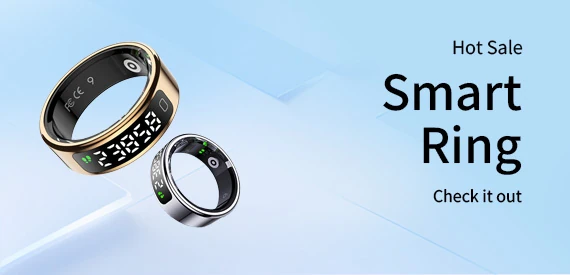
I’m an avid swimmer who swims 2–3 times a week, covering about 1 kilometer each time. My smart ring is rated at 5ATM (water-resistant up to 50 meters), so in theory, it should be safe to wear while swimming.
I wore it in the pool for two months, and everything worked fine. The chlorinated water didn’t cause any visible damage to the ring, and the heart rate monitoring functioned normally.
That is, until I went on a beach vacation and wore the ring in seawater for about two hours (swimming and snorkeling). When I woke up the next morning, I noticed that the area of my finger where it touched the inside of the ring had turned black, as if stained with ink, and no amount of washing could remove it.
According to a dermatologist, this is “metal ion deposition”—the salt and electrolytes in seawater accelerate the release of metal ions from the ring’s inner surface. These ions bind with proteins on the skin’s surface, forming black sulfide deposits. While generally harmless, it takes 2–7 days for them to naturally flake off.
I conducted hands-on tests in three water environments and reached the following conclusions:
To understand how the smart ring performs in different aquatic environments, I conducted comparative tests using three identical rings:
Test 1: Freshwater Swimming Pool (Chlorinated Water)
Duration: 3 times per week for 2 consecutive months
Results: No changes in appearance, no skin abnormalities, and normal functionality
Test 2: Seawater (Real Ocean Environment)
Duration: Continuous immersion for 2 hours
Results: No damage to the ring’s appearance, but black marks appeared on the finger (faded after 3 days), and slight salt crystallization formed on the charging contacts
Test 3: Hot tub (40°C, containing bromine disinfectant)
Duration: 30 minutes
Results: Ring temperature increased; significant error in heart rate monitoring (15 bpm higher); accelerated corrosion of charging contacts
What does “5ATM water resistance” mean for a smart ring? It refers to the ability to withstand the pressure equivalent to a depth of 50 meters under static conditions. However, in actual use:
Swimming: Arm strokes generate dynamic water pressure, with actual pressure ≈ 2–3 times that of static pressure. 5ATM is barely sufficient.
Seawater: Salt is corrosive and can erode charging contacts and O-rings. It is recommended to rinse with fresh water after swimming.
Hot water: High temperatures accelerate O-ring aging, and chemicals in hot water are more corrosive.
Data: According to the IP rating vs. usage scenario comparison table:
IP68: Suitable for freshwater immersion, not suitable for swimming (due to dynamic pressure from swimming)
5ATM: Suitable for shallow-water swimming, not suitable for diving
10ATM: Suitable for snorkeling, not suitable for scuba diving
20ATM: Suitable for scuba diving
Waterproof ≠ seawater-resistant ≠ heat-resistant.
Venus Smart Shop helped me understand the true meaning behind water resistance ratings and taught me how to care for my devices properly.
The ISO 22810:2024 watch water resistance standard explicitly states: Watches/rings rated at 5ATM are suitable for “swimming and snorkeling,” but not for “hot baths, saunas, or diving.”

Please log in to your member account first. *


0 Comments