

By: Frances-
On: 12 Nov 2026


| Sub-Total : | $23.30 |
| Eco Tax (-2.00) : | $4.52 |
| VAT (20%) : | $5.66 |
| Total : | $33.48 |
By: Frances-
On: 12 Nov 2026
Smart Ring vs Smartwatch: B2B Buying Comparison
Smart rings and smartwatches overlap in health, activity and notification functions, but they are not interchangeable products. Each format creates a different daily-wear experience, screen relationship, charging routine, education burden and return risk. For distributors and retail buyers, the stronger strategy is usually to compare the formats by customer need and then build a complementary assortment.
This B2B comparison considers product fit, user behaviour and operational support. It does not provide medical advice or assume that one wearable replaces the other.
Wear comfort and daily routine
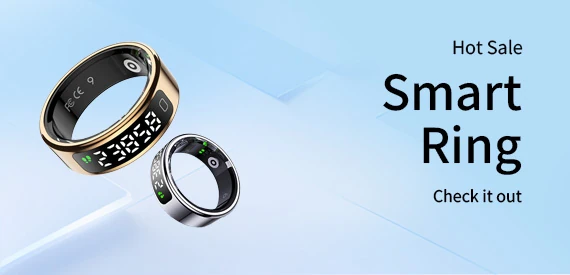
A smart ring is small and screenless, which can appeal to customers who want a low-profile wearable for sleep and everyday wear. It can be less disruptive under clothing or during focused work, but finger sizing becomes critical. Fit changes throughout the day, and sizing systems can vary by supplier.
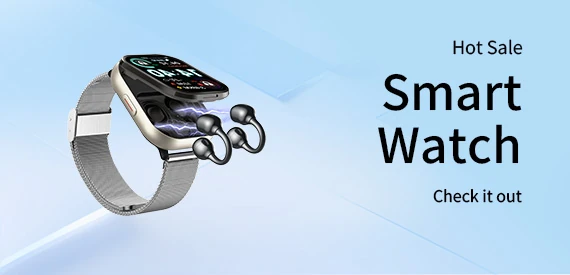
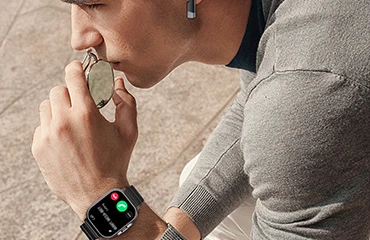
A smartwatch sits on the wrist and provides a visible screen. It can support quick notifications, calls, workouts and glanceable controls. Its larger body may be preferred by customers who want stronger interaction, while others may find it intrusive for sleep or formal wear.
Screen use and interaction
The smartwatch has a major advantage when the customer wants to see information without opening a phone. Calls, notifications, timers and workout controls can be handled from the wrist. Retail content should explain screen limitations and pairing expectations clearly.
The smart ring removes screen interaction. Customers need to understand that much of the experience depends on the companion app. Retail support should include setup guidance, sync expectations and advice on when to check the app.
Battery and charging routine
Both formats require a charging habit, but the routines differ. A smartwatch is often charged according to screen use, calling and activity settings. A smart ring may be marketed around continuous wear, so buyers should verify actual charging frequency and whether the ring must be removed for charging.
Compare battery claims using stated use conditions. Avoid turning a best-case runtime into a promise for every customer.
Activity and wellness context
Smartwatches commonly present activity, workout and wellness information directly on the screen. Smart rings can offer a more discreet summary through the app. Buyers should compare which metrics are visible, how often they update and what user guidance is available.
Use wellness language unless claims have been reviewed and supported for the relevant product and market. Avoid diagnostic language and explain that readings can vary with fit and movement.
Notifications and communication
The watch is usually the better match for customers who value quick notifications and Bluetooth calling. The ring may be the better match for customers who want to reduce screen interruptions and review information later.
Channel education should explain these differences with scenarios rather than claiming one product is universally more advanced.
Customer fit
Consider fashion-oriented buyers, wellness-focused customers, fitness users, travellers, gift buyers and people who prefer minimal accessories. A smart ring assortment needs multiple sizes and a practical sizing experience. A watch assortment needs choices in case size, finish, strap and interface.
Return risk
Ring returns may increase when sizing is unclear or the customer expects a watch-level screen. Watch returns may increase when battery, app pairing, calling or water-resistance expectations are misunderstood.
Clear comparison content, sizing support, sample guidance and FAQ coverage can reduce avoidable returns. Keep product claims aligned with approved specifications.
Complementary assortment
Instead of positioning ring and watch as direct substitutes, present them as a coordinated system. A customer may use a watch for workouts and calls, then switch to a ring for quieter periods or sleep. A retail display can show two routines and let customers choose a primary device.
Bundles should remain practical. Pair a ring with a watch only where packaging, setup and support can be explained clearly.
Sample-testing checklist
- Compare wear comfort on different finger and wrist sizes.
- Review charging time and daily charging routine.
- Test app pairing, sync and notification expectations.
- Compare screen visibility and calling where supported.
- Review wellness wording and available user guidance.
- Assess return and customer-support risk.
- Confirm packaging, manuals and accessory availability.
Frequently asked questions
Is a smart ring better than a smartwatch?
No universal answer exists. Fit depends on screen preference, wear routine, feature expectations and support needs.
Can a smart ring replace a smartwatch?
It may replace some tracking and notification functions for selected customers, but the experience is different. Buyers should not present it as a full substitute.
Which product has more return risk?
Both have specific risks. Rings are sensitive to sizing, while watches can be affected by expectations around battery, calling and app use.
How should retailers display both?
Use side-by-side scenarios showing active screen use, minimal-wear use, sizing and app setup.
Should both products use the same health claims?
Claims should be product-specific and evidence-based. Review approved documents and market requirements before publication.
Next step
Review smart ring and smartwatch categories at https://www.venussshop.com/Products.html, compare the customer journey for each format and prepare a sample-testing brief. Contact the team to request an assortment review covering sizing, app requirements and channel support.


Please log in to your member account first. *

0 Comments