

By: Sam-
On: 11 Nov 2026


| Sub-Total : | $23.30 |
| Eco Tax (-2.00) : | $4.52 |
| VAT (20%) : | $5.66 |
| Total : | $33.48 |
By: Sam-
On: 11 Nov 2026
Q4 Smart Wearable Restock & Gift Guide 2026
The final quarter can reward retailers that prepare early and punish teams that wait for demand signals to become obvious. A useful Q4 plan is not a promise about stock, delivery dates or sell-through. It is a set of decisions that helps buyers prioritise products, prepare channels and review replenishment before the season becomes chaotic.
For overseas distributors and retailers, smart wearables sit at the intersection of technology, fashion and gifting. The product mix should therefore be planned around customer need and channel context, not only around spec sheets or promotional copy.
Start with a late-Q4 restock window
Build a restock review around current sales, open orders, inbound inventory and confirmed supplier lead times. Label every figure as confirmed, estimated or unavailable. Do not publish a delivery promise until the supplier and logistics team have confirmed the relevant milestone.
Separate fast-moving items from long-tail products. Prioritise models with clear customer demand, complete product information and manageable support needs. Keep a smaller reserve for products that require more education or after-sales support.
Set a cut-off date for adding new SKUs. After that date, focus on replenishing validated products and improving listings, packaging and customer guidance. Late-season launches create more risk when samples, documentation and content are not yet approved.
Prioritise products by customer and channel
AI smart glasses appeal to tech-forward shoppers, travellers, creators and premium gift buyers. They require clear explanations of camera privacy, battery routine and app usage.
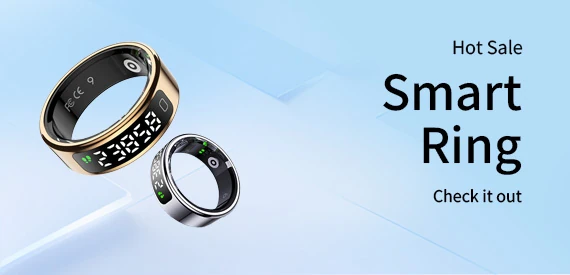
Smart rings fit customers who want lightweight wellness tracking and subtle design. Sizing support is essential, especially for online channels where fit uncertainty can increase returns.
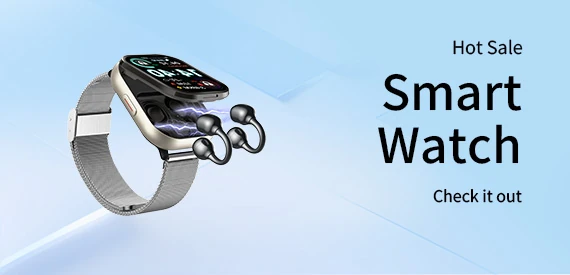
Smartwatches remain a broad gifting category because they combine familiar form factors with calling, notifications, sport and daily-use features. Buyers should distinguish between entry offers and more premium models through display, finish, app experience and accessories rather than exaggerated claims.
Marketplaces often need strong titles, comparison information and visual clarity. Independent stores can build a more curated story through category pages and buying guides. B2B distributors should prepare channel-specific availability lists and approved imagery for retail partners.
Prepare gift-oriented content
Gift content should help a buyer understand who the product is for, what comes in the box and what the recipient needs before first use. Add practical sections such as setup steps, charging routine, app pairing, sizing guidance and care instructions.
Use customer scenarios rather than unsupported superlatives. A smart ring guide can compare everyday wear, fitness routines and sleep context. A smart glasses guide can explain travel, photography and hands-free assistant use while noting the privacy expectations around cameras. A smartwatch guide can explain calling, notifications and sensor features with careful wellness language.
Keep product claims aligned with approved specifications and market-specific documentation. Do not invent discount levels, guaranteed margins or holiday performance.
Compact restock checklist
- Confirm current inventory, open orders and inbound quantities.
- Rank products by recent demand, customer importance and support burden.
- Check sample approval, product information and app status for every priority SKU.
- Confirm packaging, manuals, labels and any required documentation.
- Review product photography, video, FAQs and accessory listings.
- Prepare channel-specific bundles and gift-focused collections.
- Record which shipment or lead-time estimates are confirmed.
- Define reorder and escalation checkpoints.
Set replenishment checkpoints
Review inventory after each major channel wave rather than waiting for the season to end. At each checkpoint, compare sellable stock, reserved orders, inbound receipts and unresolved support issues. Separate genuine demand from temporary traffic spikes.
A simple checkpoint can be weekly. The first review confirms what is available. The second checks whether listings and product education are producing qualified interest. The third focuses on replenishment exceptions. The final review records lessons for the next season.
If an item is unavailable, redirect customers to a relevant alternative instead of leaving a dead-end page. Clear availability wording protects trust better than vague promises.
Frequently asked questions
When should a retailer start Q4 restocking?
Start as early as the supplier, inventory and channel data allow. Late-season decisions should focus on validated products and approved content.
Should every channel receive the same product mix?
No. Marketplaces, independent stores and B2B partners need different pricing logic, content depth and merchandising.
Which wearable is best for gifting?
Smart glasses suit experience-led buyers, smart rings suit compact wellness-focused gifts and smartwatches offer a familiar daily-use option. Fit depends on the recipient.
How should availability be communicated?
Use confirmed status, estimated status and unavailable status separately. Avoid promising dates that have not been confirmed.
What should be reviewed after the season?
Inventory accuracy, product education, support requests, returns and which content or bundles produced qualified interest.
Next step
Review current product categories at https://www.venussshop.com/Products.html for smart glasses, smart rings and smartwatches. Compare customer needs, prepare gift-ready content and keep availability claims precise. Contact the team to request a current availability list and outline your channel requirements.


Please log in to your member account first. *



0 Comments