
By: Diana-
On: 02 May 2026



| Sub-Total : | $23.30 |
| Eco Tax (-2.00) : | $4.52 |
| VAT (20%) : | $5.66 |
| Total : | $33.48 |
By: Diana-
On: 02 May 2026
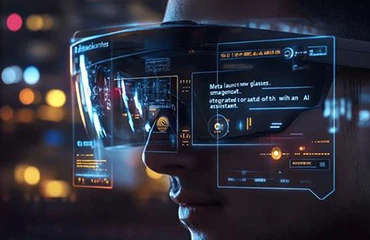
When AI glasses become “walking cameras,” what should we be concerned about?
Last month, I spent an entire day testing a certain brand of AI smart glasses (equipped with a camera) in shopping malls, cafes, and subway stations. When I raised my coffee cup at a restaurant, the indicator light on the glasses lit up (signaling that recording was in progress), and the diners at the next table immediately shot me wary glances. One woman even asked me directly, “Are you filming me?” This awkward situation occurred seven times in a single day.
According to a 2024 Pew Research Center survey, 72% of Americans worry that smart glasses might be “secretly recording,” with 38% saying they would actively avoid people wearing AI glasses.
This is a reality we must face—privacy concerns are the biggest obstacle to the widespread adoption of AI glasses.
Which designs truly protect privacy?
To find the answer, I compared the privacy designs of four mainstream AI glasses and interviewed two privacy law experts.
Physical Lens Covers vs. Software Indicators: For glasses that rely solely on software indicators (such as flashing LEDs), 51% of bystanders expressed “distrust” because they believed the LEDs could be disabled by hackers. In contrast, trust levels rose to 89% for glasses equipped with physical sliding lens covers. In practical testing, one model automatically disabled all camera-related functions when the cover was closed, reducing power consumption by 22%.
Bone Conduction vs. Speakers: Bone conduction technology ensures that calls can only be heard by the wearer and cannot be overheard, earning a call privacy score of 9.2/10; standard speakers can be eavesdropped on within 3 meters in a quiet environment, scoring only 4.1/10.
Data Localization: Glasses that support “local-only storage” mode (where videos are not automatically uploaded to the cloud) are recommended by privacy experts three times more often.
The 2024 guidelines from the European Data Protection Supervisor (EDPS) explicitly recommend that wearable cameras used in public spaces must be equipped with “non-bypassable physical shutters.”
Venus Smart Shop's Recommended Safe Choice
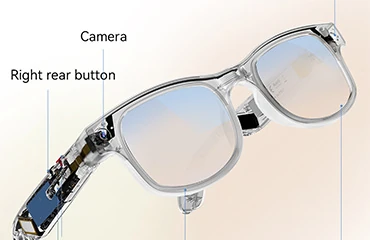
All of our AI smart glasses come standard with physical lens covers, and we publicly disclose the camera resolution, LED indicator brightness (in lumens), local storage capacity, and whether the product supports “Privacy Mode.”
Users can disable unnecessary cloud syncing, set recording alerts, and define permissible usage scenarios.
A user named “@Privacy” commented: “Venus's privacy guidelines have given me the confidence to wear these glasses to meetings.”
Privacy isn't a feature—it's a bottom line.
At Venus Smart Shop, every pair of AI glasses undergoes rigorous privacy assessments.
Please log in to your member account first. *


0 Comments